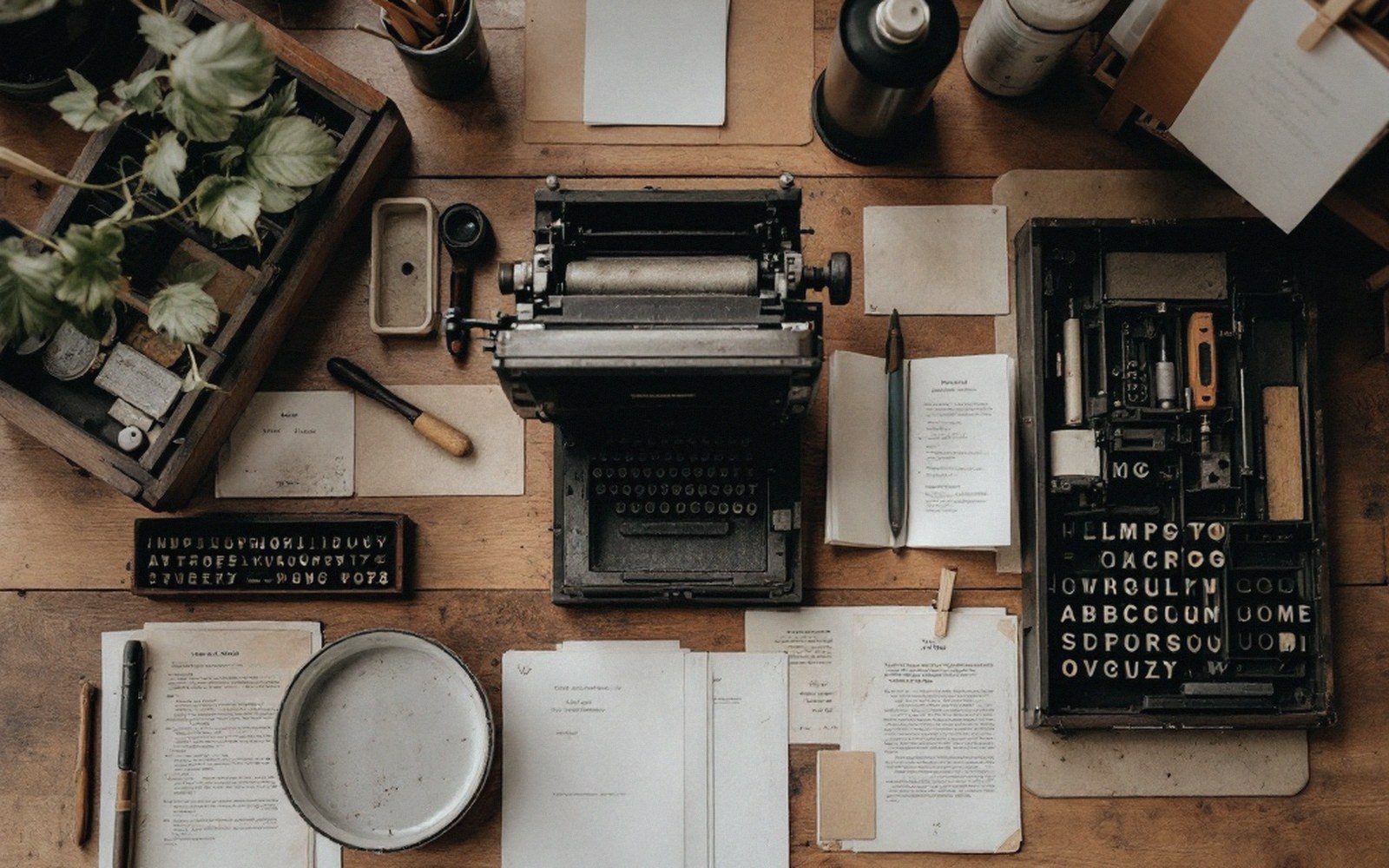
Correction is cheap on paper and expensive in metal. The revision happens before the stick.
The cost of changing your mind in type
A word crossed out in pencil costs nothing. The same word, set in 6-point type, justified into a stick, locked into a forme, and then found to be wrong, costs the time of breaking the forme open, redistributing the offending line, resetting it correctly, and justifying again — all before you have reprinted a single sheet. The arithmetic is unforgiving. Editing in manuscript is a pencil mark; editing in metal is an afternoon.
This is why, in classrooms where Célestin Freinet's method took hold, revision was understood as a stage of its own — not a hasty read before setting began, but a serious collective event. The class assembled around the text before anyone touched the case. A child read the piece aloud. Others listened for the line that didn't land, the word repeated twice in a sentence, the detail that would confuse a reader in another town. The compositor's stick sat idle on the bench while that work happened.
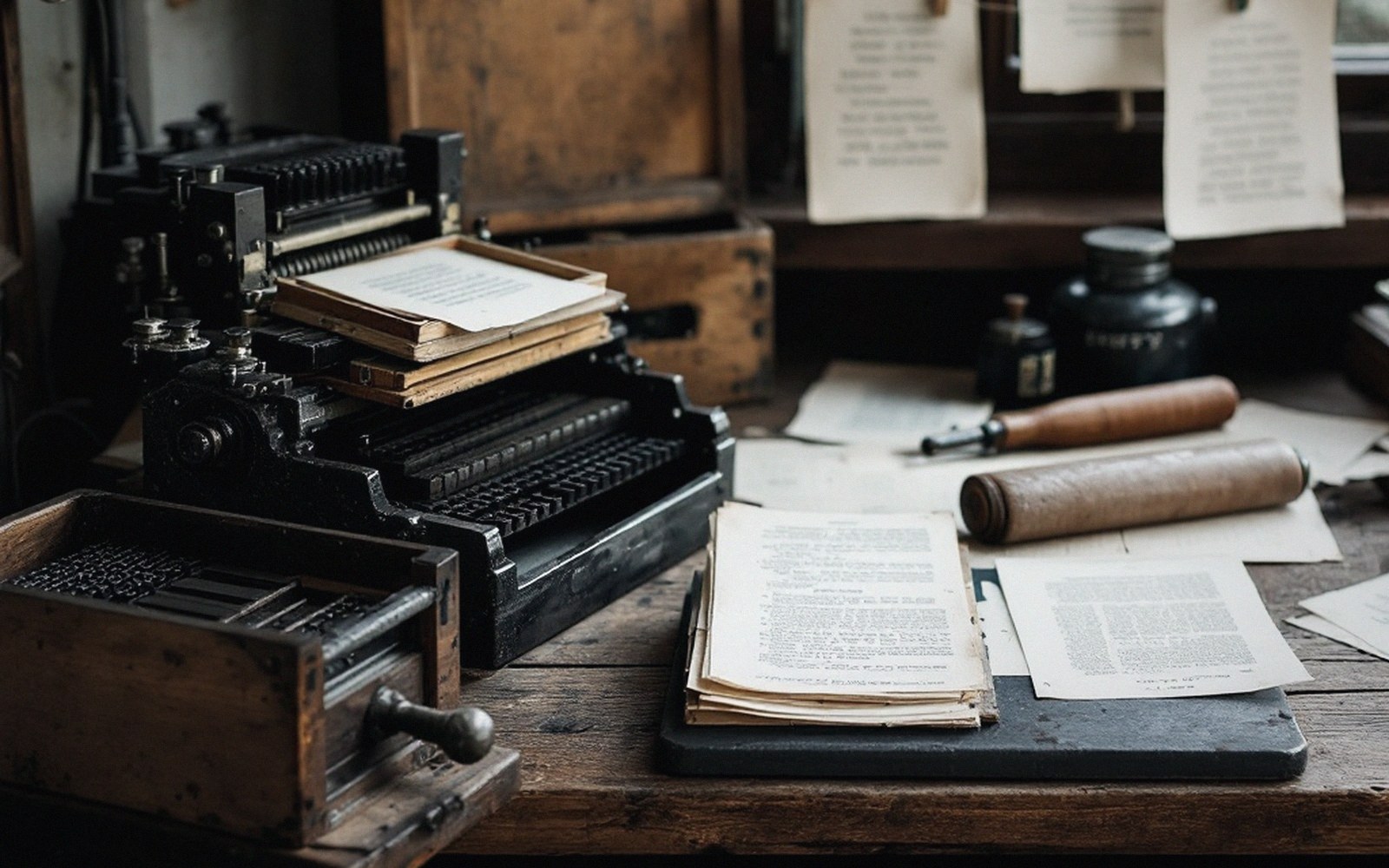
Wall space caps the run. A line that holds sixty sheets is a print run of sixty.
The discipline was partly economic and partly typographic. Free text chosen by the class for printing was not chosen to be perfect — it was chosen to be worth perfecting. That distinction mattered. The piece went through the group not because it was being marked, but because it was about to be published, and publication to a real readership, even a small one, raised the standard without the teacher raising their voice. A reader two hundred miles away shares no assumptions and grants no charity.
What the editing session actually did was fix the prose at the length it needed to be. Column width and type size were known before setting started — the measure was set in the composing stick before the first letter dropped. A text that ran six lines too long in manuscript would still run six lines too long in metal, and there is no elegant way to cut six lines from a locked forme. Better to cut them in pencil, on paper, while the correction costs only a line through words.
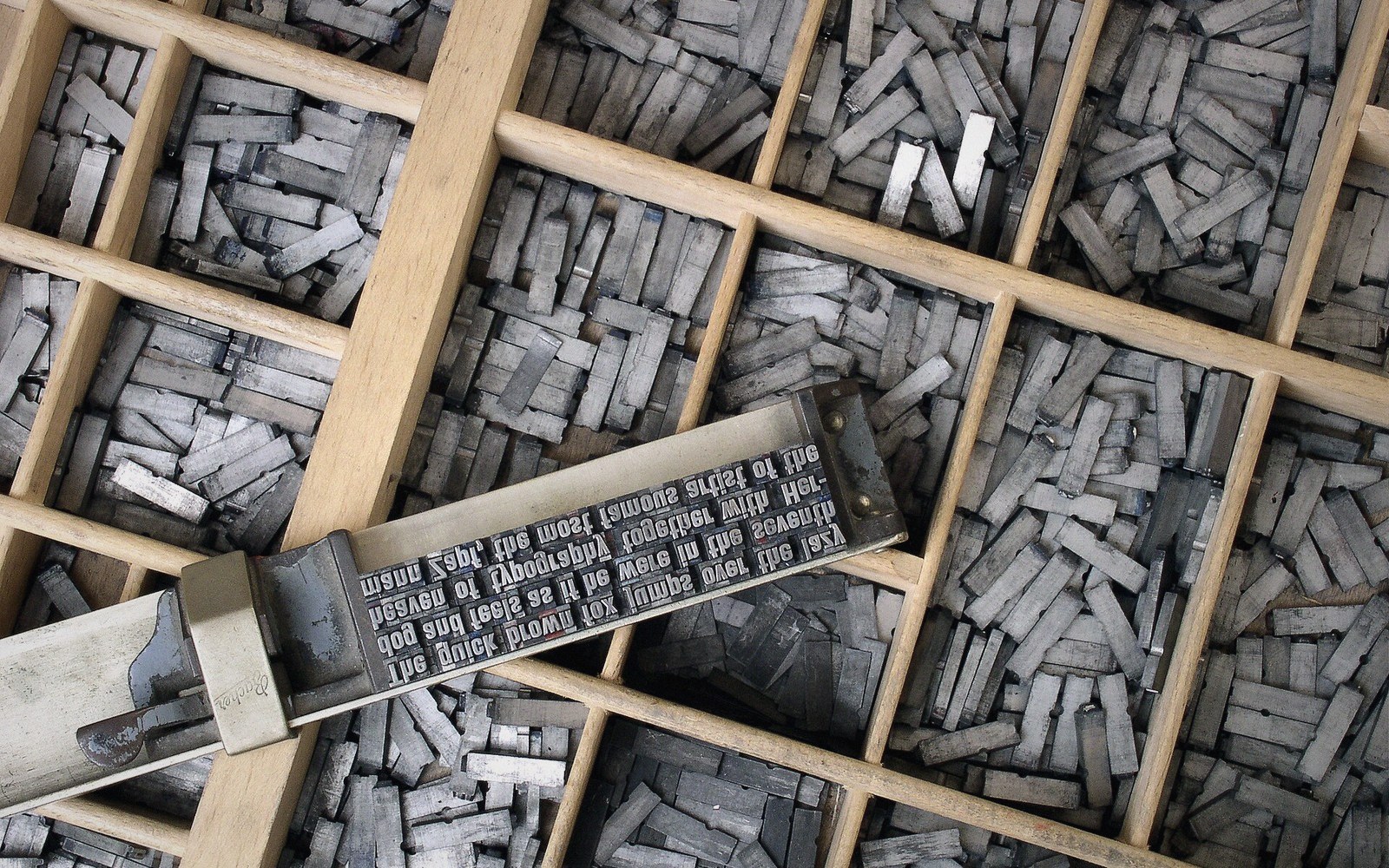
Punctuation mattered too, not least because a compositor working from a heavily corrected manuscript makes fresh errors. A clean, marked-up fair copy — with the cuts made, the replacement word written clearly above the deletion, and the final full stop in place — gave the person at the case a fighting chance of setting it once and setting it right. In a press room of any kind, the manuscript is a production document. In a classroom, it was easy to forget that. The editing session was the thing that made sure no one did.