Index
All entries
Twenty-two entries across five sections. Every one reachable from here, without a menu.
The Press
5 entries-
01
 The press at the back of the room
A small cast-iron flatbed sized so that a child could ink, lay, pull and lift without help. What that constraint decided about everything else — sheet size, run length, and how many hands a single edition needed.
The press at the back of the room
A small cast-iron flatbed sized so that a child could ink, lay, pull and lift without help. What that constraint decided about everything else — sheet size, run length, and how many hands a single edition needed.
-
02
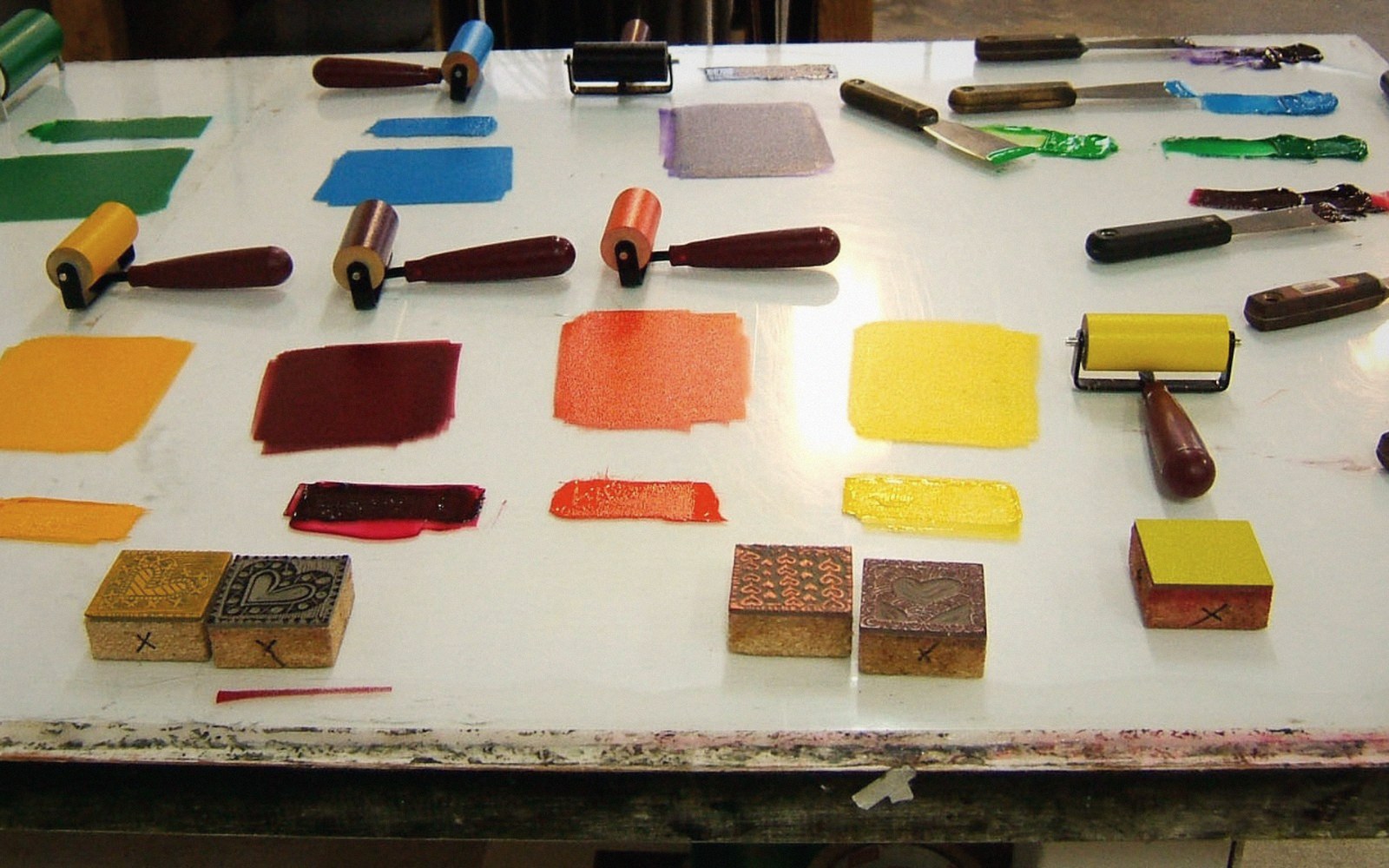 Inking by roller
Too much ink fills the counters, too little skips. The narrow band between, and how it is judged by eye.
Inking by roller
Too much ink fills the counters, too little skips. The narrow band between, and how it is judged by eye.
-
03
 The pull
Pressure, packing and dwell. Why the same forme prints differently on two consecutive sheets.
The pull
Pressure, packing and dwell. Why the same forme prints differently on two consecutive sheets.
-
04
 Registration
Getting the second colour to land on the first, with no mechanism to help.
Registration
Getting the second colour to land on the first, with no mechanism to help.
-
05
 Drying the sheets
Pegged on a line across the room. Why the print run was limited by wall space as much as by time.
Drying the sheets
Pegged on a line across the room. Why the print run was limited by wall space as much as by time.
Type & Case
5 entries-
01
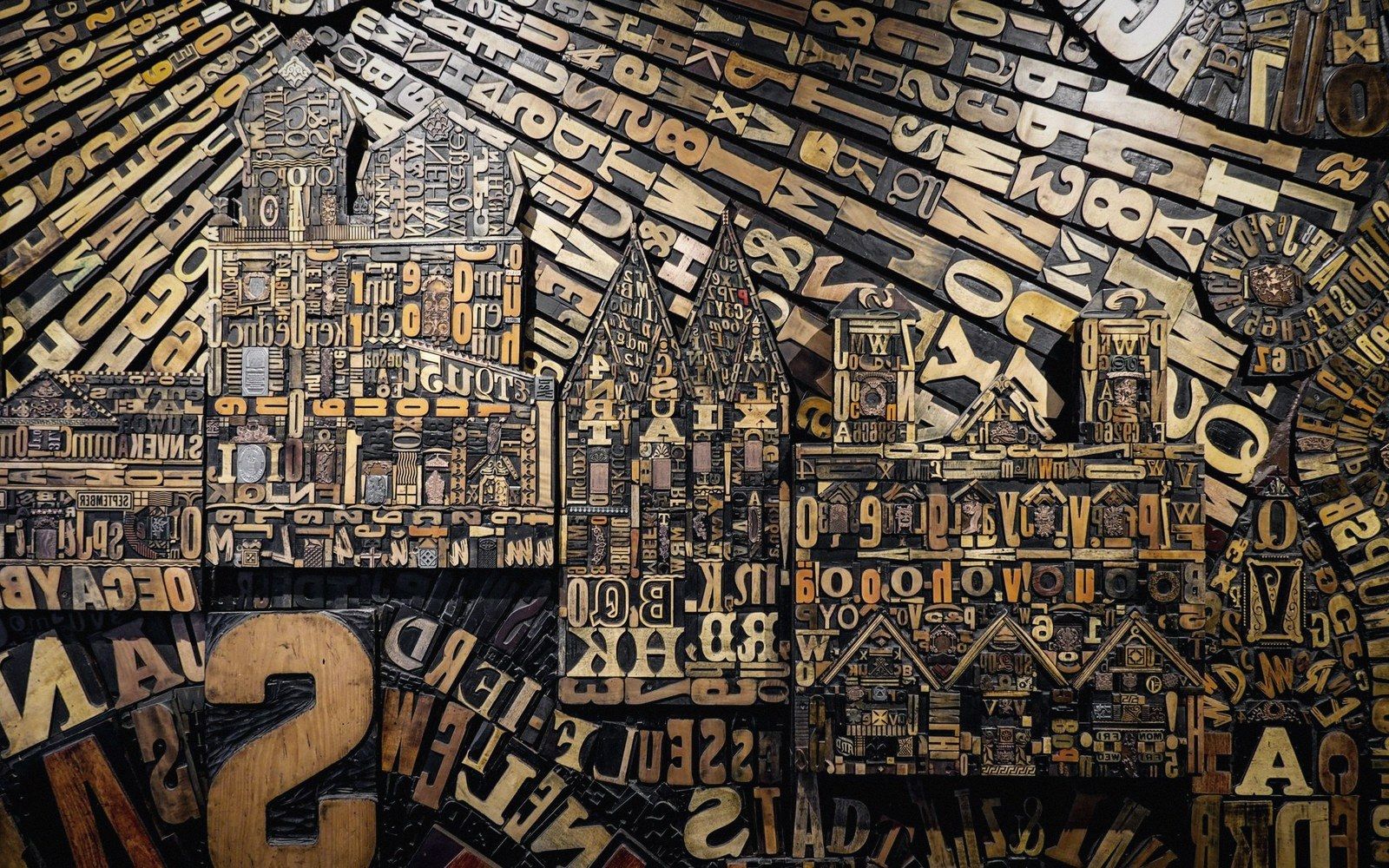 The case and its order
The compartments are not alphabetical. They are ordered by frequency, and the wear pattern on an old case is a frequency table.
The case and its order
The compartments are not alphabetical. They are ordered by frequency, and the wear pattern on an old case is a frequency table.
-
02
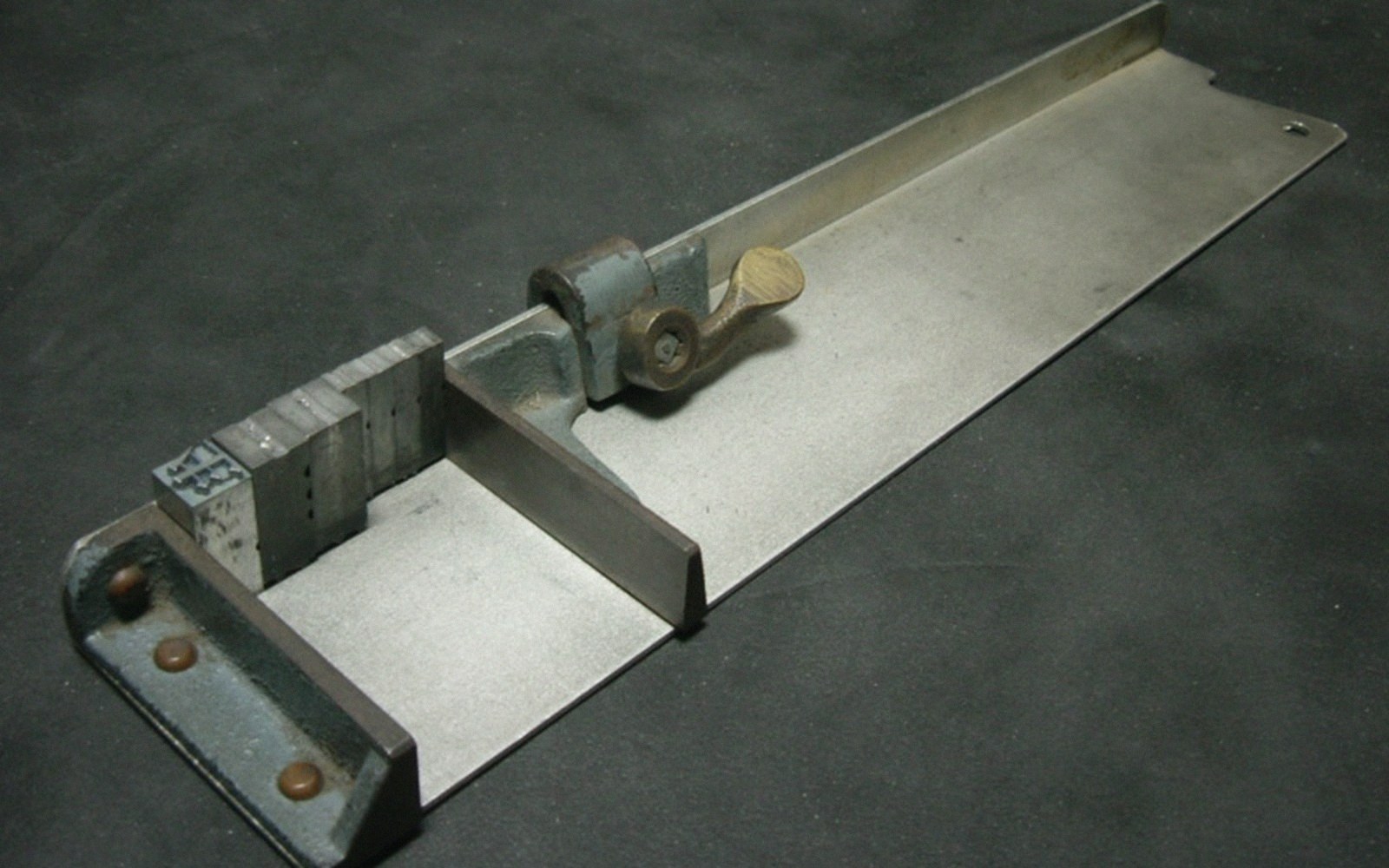 The composing stick
Set upside down and backwards, three lines at a time, with the measure fixed before the first letter.
The composing stick
Set upside down and backwards, three lines at a time, with the measure fixed before the first letter.
-
03
 Spacing and justification
The line must fill exactly. Spaces are metal, and the last one is chosen with tweezers.
Spacing and justification
The line must fill exactly. Spaces are metal, and the last one is chosen with tweezers.
-
04
 Sorts run out
A case holds a finite number of each letter. What a class does when the e box empties mid-sentence.
Sorts run out
A case holds a finite number of each letter. What a class does when the e box empties mid-sentence.
-
05
 Distribution
Putting the type back is half the work and all of the discipline.
Distribution
Putting the type back is half the work and all of the discipline.
The Newspaper
5 entries-
01
 A real print run
Not an exercise: a numbered edition, printed in quantity, distributed outside the room. What that changes about how it is written.
A real print run
Not an exercise: a numbered edition, printed in quantity, distributed outside the room. What that changes about how it is written.
-
02
 Free text
The piece is chosen by its writer, then argued over by the class before it is set.
Free text
The piece is chosen by its writer, then argued over by the class before it is set.
-
03
 Editing before setting
Correction is cheap on paper and expensive in metal. The revision happens before the stick.
Editing before setting
Correction is cheap on paper and expensive in metal. The revision happens before the stick.
-
04
 The masthead
Cut once, kept for years, and the one piece of the paper nobody re-sets.
The masthead
Cut once, kept for years, and the one piece of the paper nobody re-sets.
-
05
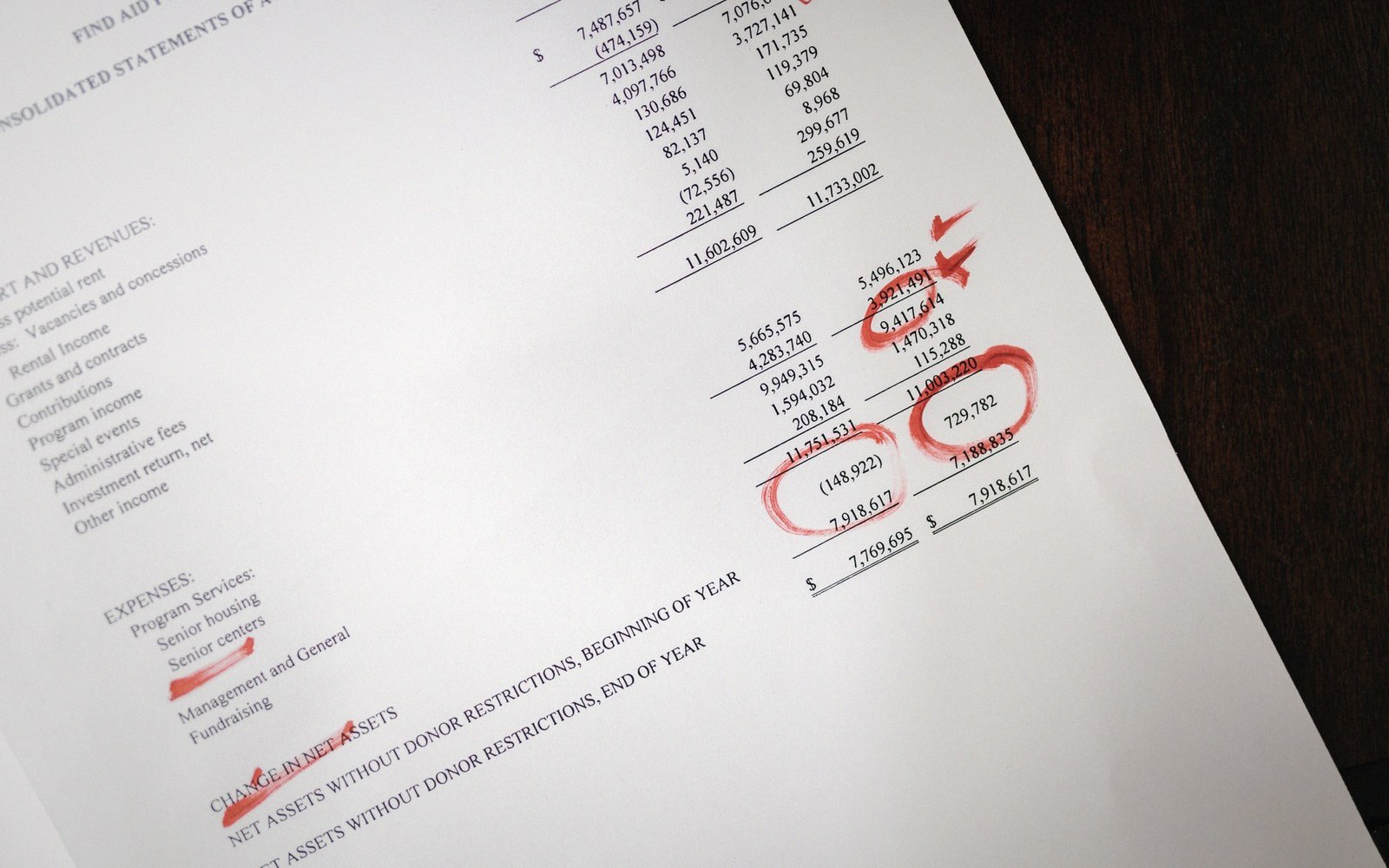 What a run costs
Paper, ink and time, counted against a classroom budget.
What a run costs
Paper, ink and time, counted against a classroom budget.
Correspondence
4 entries-
01
 Two editions in an envelope
Schools exchanged printed papers rather than letters. What arrives is a publication, which is a different thing to receive.
Two editions in an envelope
Schools exchanged printed papers rather than letters. What arrives is a publication, which is a different thing to receive.
-
02
 Writing for strangers
A reader two hundred miles away shares no context. The prose changes accordingly.
Writing for strangers
A reader two hundred miles away shares no context. The prose changes accordingly.
-
03
 The network
Who was posting to whom, and how the map of it grew by introduction rather than by plan.
The network
Who was posting to whom, and how the map of it grew by introduction rather than by plan.
-
04
 What came back
Replies, corrections and the occasional argument in print.
What came back
Replies, corrections and the occasional argument in print.
The Register
3 entries-
01
 Keeping the record
What was set, on what press, in what run, and where it went. The register as the surviving evidence.
Keeping the record
What was set, on what press, in what run, and where it went. The register as the surviving evidence.
-
02
 Dating an undated sheet
Type wear, paper stock and the masthead cut. How a loose sheet is placed.
Dating an undated sheet
Type wear, paper stock and the masthead cut. How a loose sheet is placed.
-
03
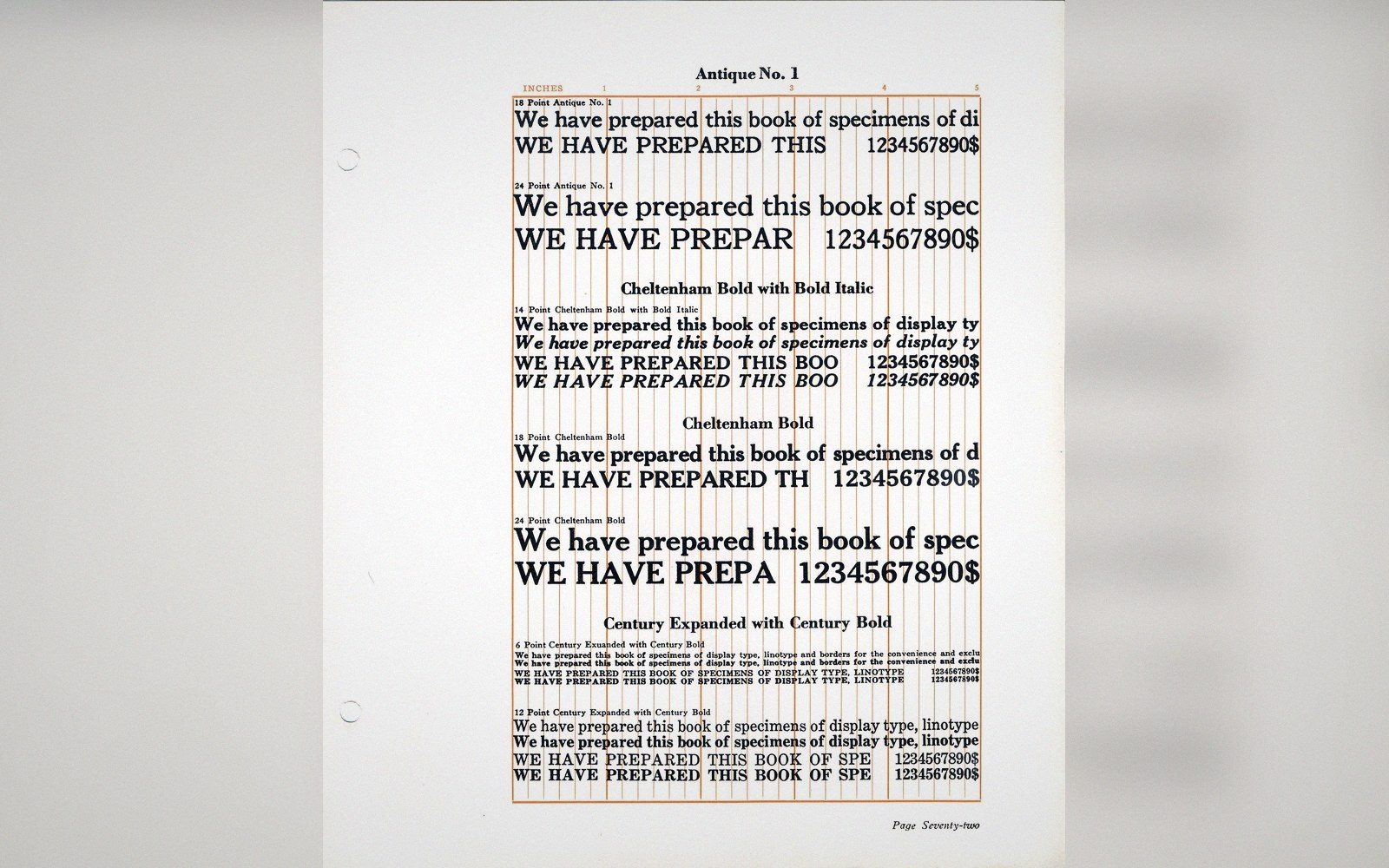 What survives
Ephemeral by design, kept by accident. Which copies still exist and why.
What survives
Ephemeral by design, kept by accident. Which copies still exist and why.