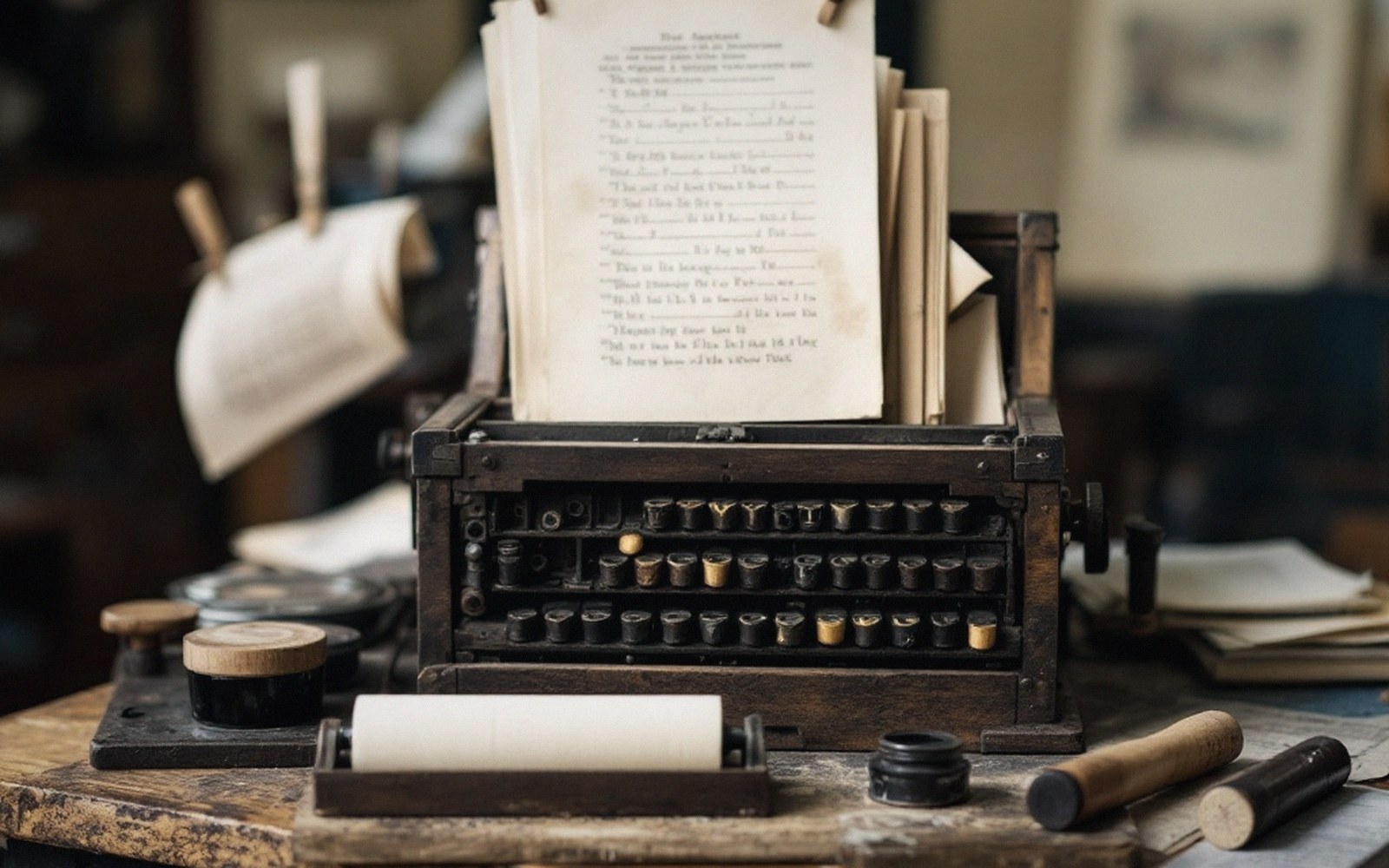
The register as surviving evidence
A school printing press leaves two kinds of evidence: the surviving copies of what it made, and whatever record the makers kept of what they made. The copies are scattered, found now in attics and archive boxes, loose in folders of old correspondence. The register — a bound notebook, a typed list pasted inside a cupboard door, sometimes just a column ruled in ink at the back of the type inventory ledger — is rarer, and worth more.
At its plainest, a press register answers four questions: what was set, on what press, in what run, and where it went. Even a sparse record along those lines transforms what would otherwise be undateable ephemera into a documented production history. When a loose sheet turns up without a date or masthead, a surviving register can place it within a term, match its run size to the paper stock the school was using that year, and name the class that set it. The print-run number entered by hand becomes, decades later, a figure no amount of paper analysis can recover on its own.
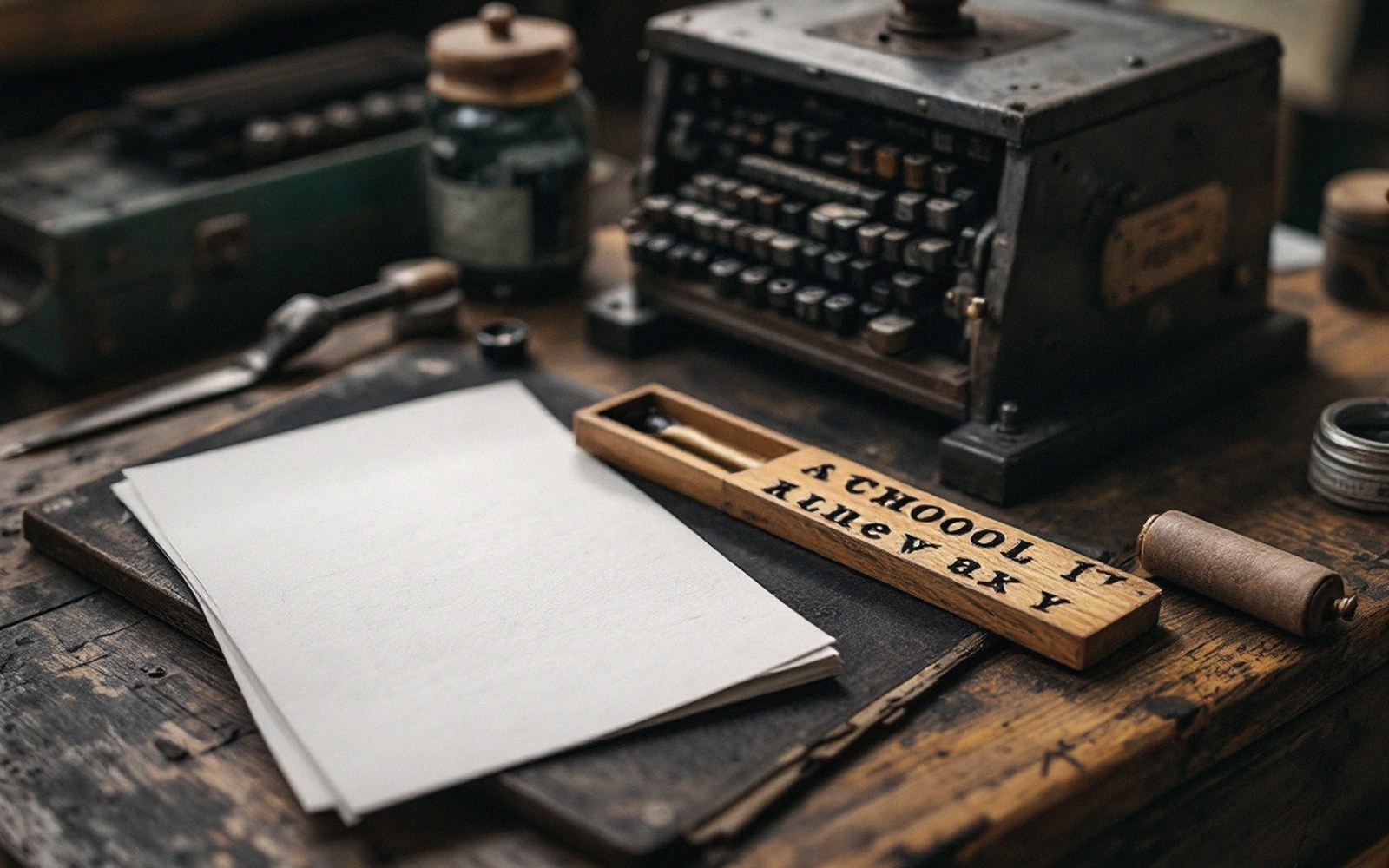
What the registers actually contain varies considerably. Some are production logs kept with near-industrial precision: the date composition began, the body size of the type, the measure of the composing stick, how many pulls the press made, how many copies were kept for the school, how many posted. Others are closer to scrapbooks, with a copy of each issue tipped in alongside a handwritten note of how many were printed and which schools received them in the exchange envelope. Both serve the historian; the sparse log and the annotated paste-up complement each other more than they compete.
The exchange itself made record-keeping feel necessary. Once a school was posting its printed paper to a dozen corresponding classrooms, it had practical reasons to track what had been sent and to whom. A column for outgoing copies sat beside a column for incoming ones; the register became a ledger of the correspondence network as well as of the press. From that ledger it is now possible to reconstruct parts of the exchange geography — which schools were in contact, in what years, with what frequency — even where none of the actual papers survive.
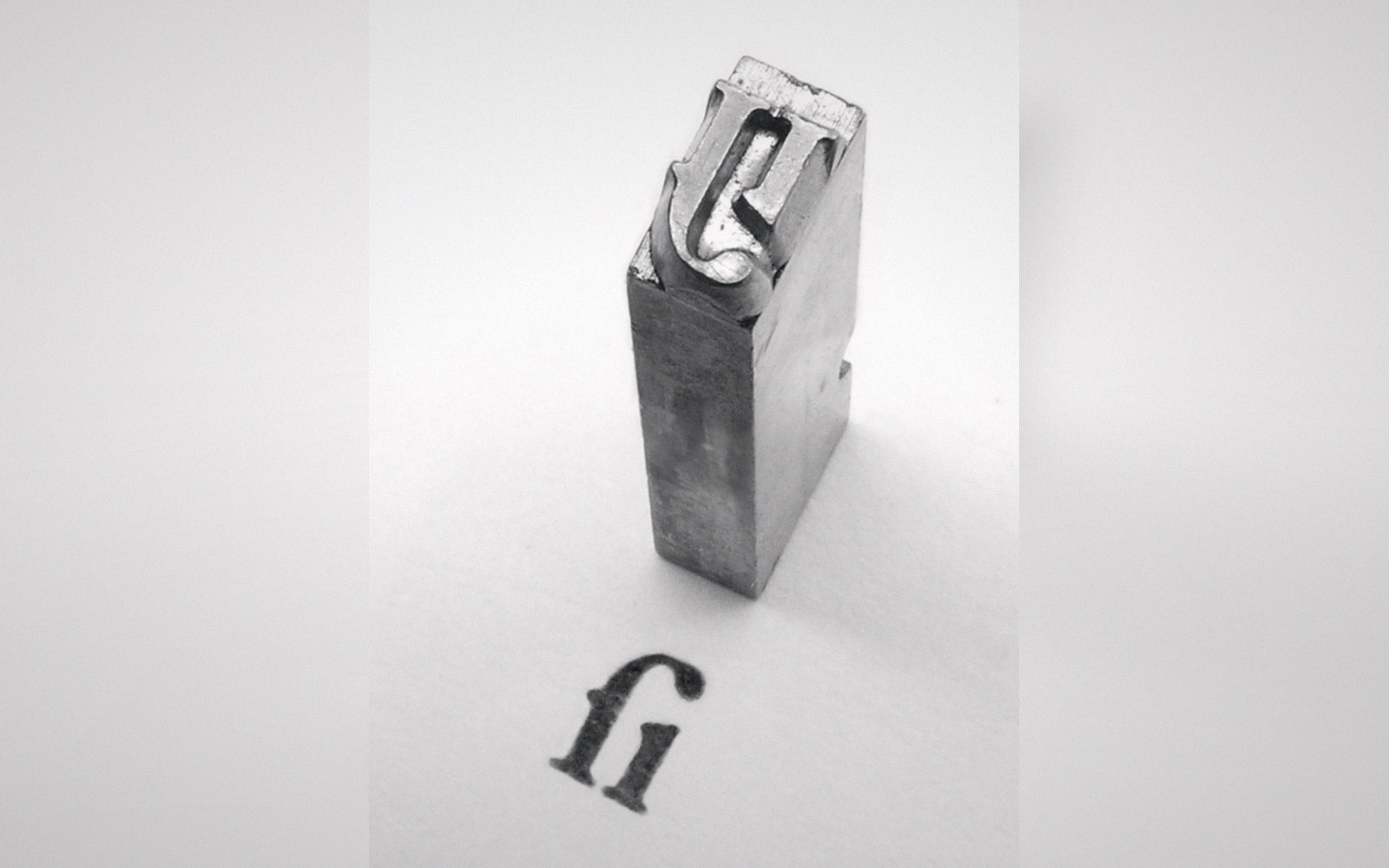
A box that empties mid-sentence ends the sentence — the case holds a finite number of every letter.
Photo: Garamond type ſi-ligature 2 · Wikimedia CommonsCondition matters when working with these sources. A register kept near the press is often ink-stained; roller marks cross columns of figures where someone set the brayer down without thinking. Paper stored in a damp school storeroom may be partially illegible, and the pencil entries — almost always the earlier ones, written in haste during a print run — fade faster than the ink. Where a register shows both pencil and ink for the same period, it usually means the pencil was the working note and the ink the fair copy made afterward, often by a different hand.
What the registers do not record is harder to account for. They seldom note who composed a particular forme, which child brought in the text that was debated and chosen, or what was rejected before setting began. The labour of distribution — breaking up the forme, sorting the sorts back into the case — goes largely unrecorded, being a task that left no output to count. The register captures the edition; it does not capture the afternoon.
That gap is one reason the registers work best alongside the printed copies themselves. A run number in the register means little without at least one copy to show what was actually printed. A copy without a register is datable only by inference — type wear, paper stock and the masthead cut brought to bear on a sheet whose own makers left no note. Together, the two sources are more than the sum of their parts: the record and the relic, each supplying what the other withholds.