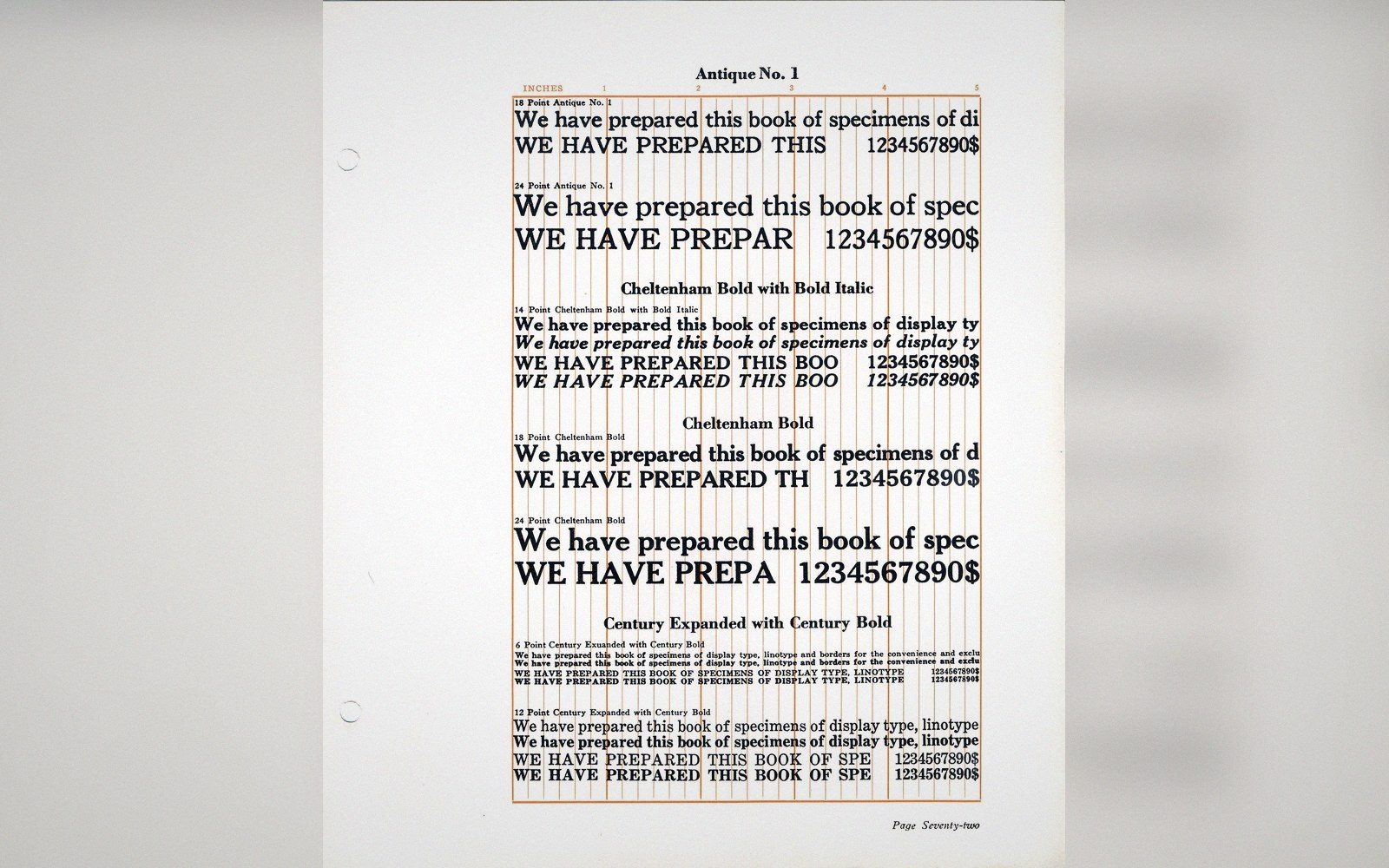
Ephemeral by design, kept by accident
A school newspaper was never meant to outlast the term. It was printed to be read, folded into an envelope, posted, or carried home. Its survival was not part of the plan.
Yet copies do survive, in numbers that would surprise anyone who assumed the worst. The reason, almost always, is accident: a teacher who kept one copy back from the run, a parent who stored what a child brought home, a regional archive that absorbed a school's papers without anyone deciding they were worth preserving. The best-represented collections arrived as bulk deposits — decades of production bundled into a box and handed over when a school closed, a staff room was cleared, or an attic was finally emptied.
What survives skews toward the unusual. First issues survive better than middle ones, because someone thought to mark the occasion. Anniversary editions, those marking ten years of a press or a school jubilee, were often printed in slightly larger runs and sent to more recipients. A single sheet from an ordinary November is rarer than it should be, precisely because it was ordinary.
The physical form of survival matters too. Copies exchanged between schools in the correspondence networks — two editions in an envelope, then filed — often outlasted the home copies. A receiving teacher who kept exchanges organised created, inadvertently, an archive of other people's presses. Regional collections in France, in particular, gathered material this way, and what they hold is often a better record of rural classroom printing than anything the originating schools retained.
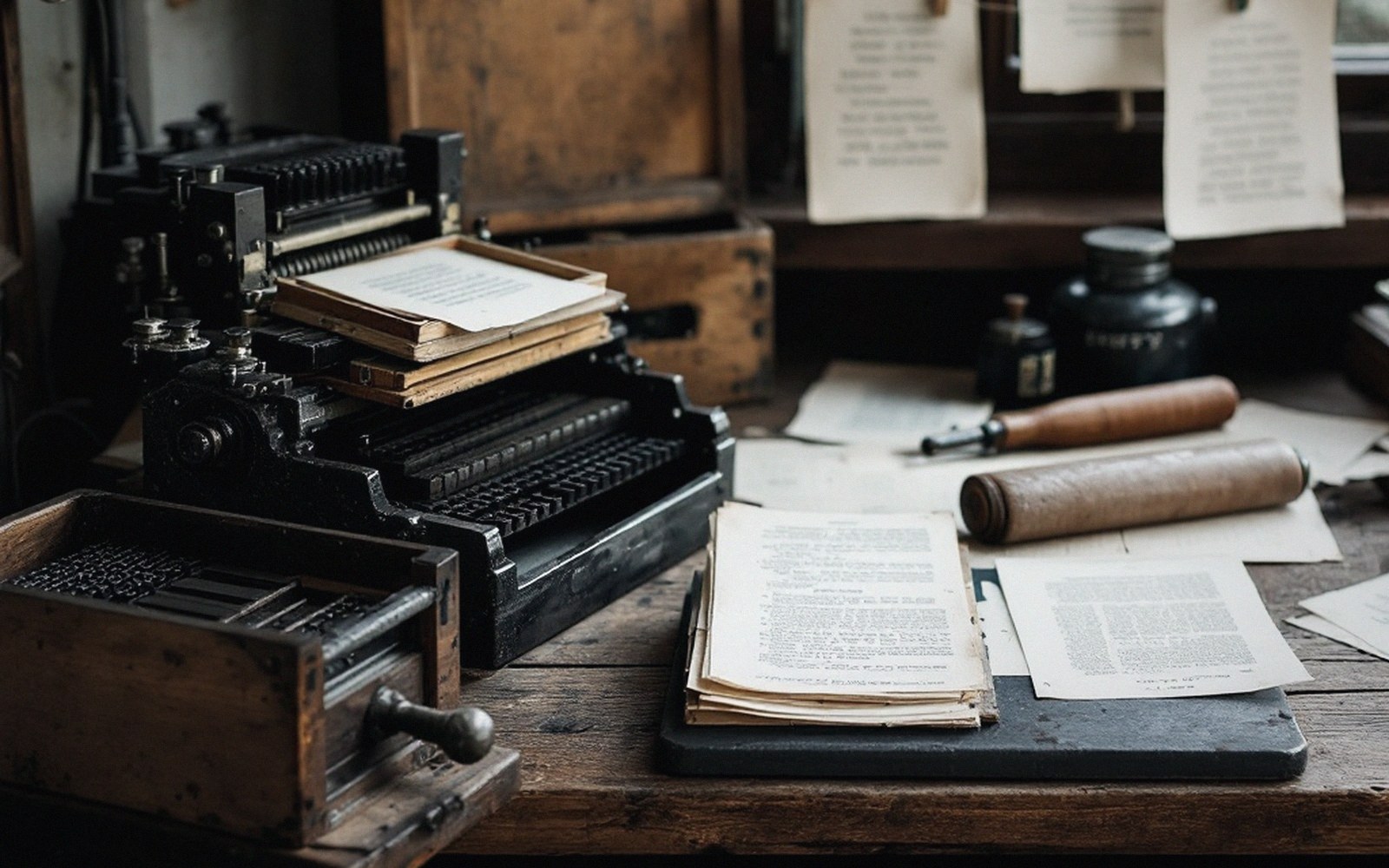
Wall space caps the run. A line that holds sixty sheets is a print run of sixty.
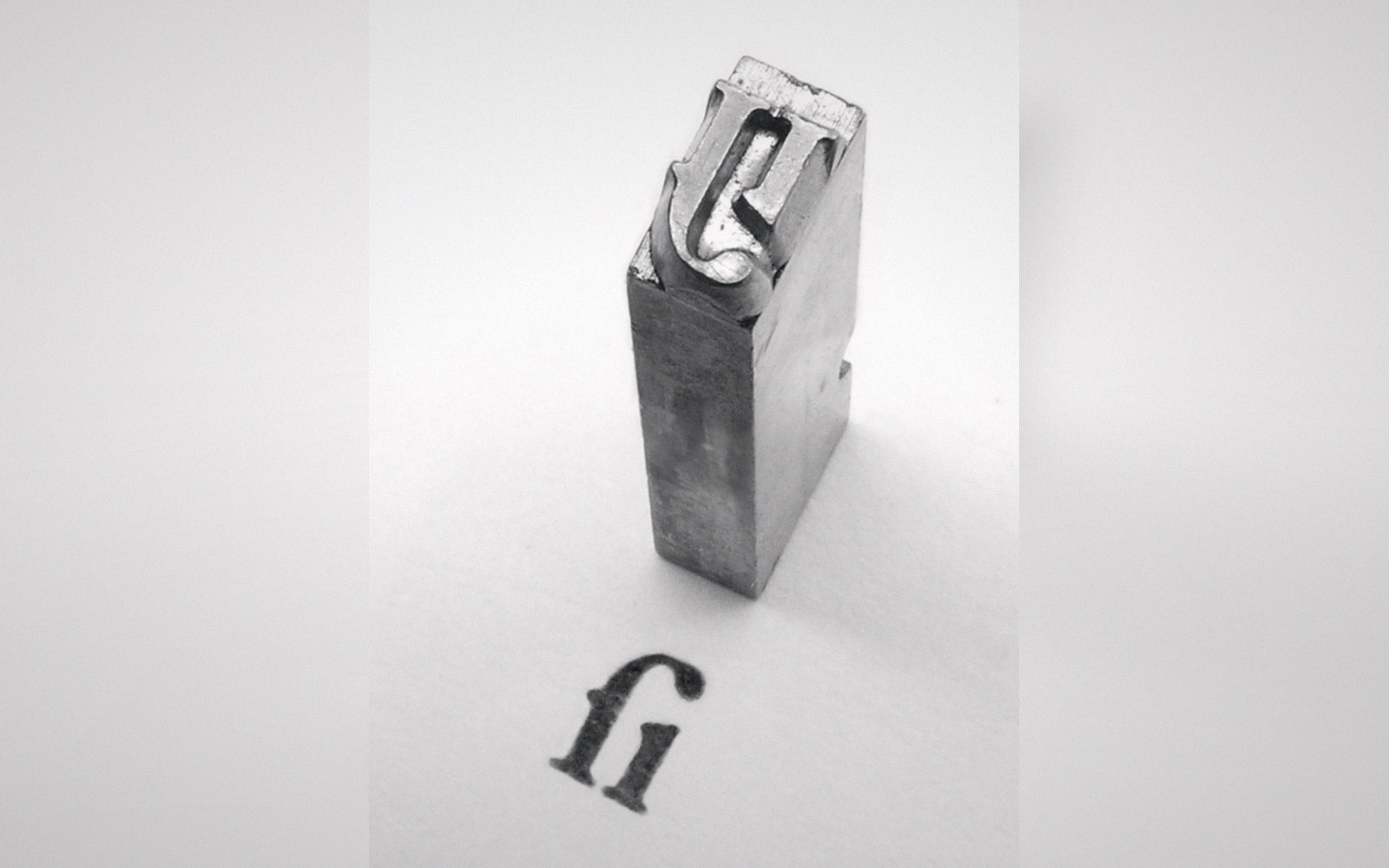
Condition varies sharply. Ink on soft newsprint fades and foxes; the thicker stock used for covers and mastheads survives better. A masthead cut in wood, or a linocut illustration, sometimes outlasts all the paper it ever printed. The physical block is a different kind of survival — not text, but the matrix that made text possible.
What is almost never found: the register. The notebook in which a press-conscious teacher noted each edition's date, run length, type size and distribution is vanishingly rare. Where one does turn up, it becomes the spine of a collection, the document that lets a loose sheet be placed, an undated copy be given a year, a sequence be reconstructed. Its absence is felt most keenly where the sheets themselves are plentiful.