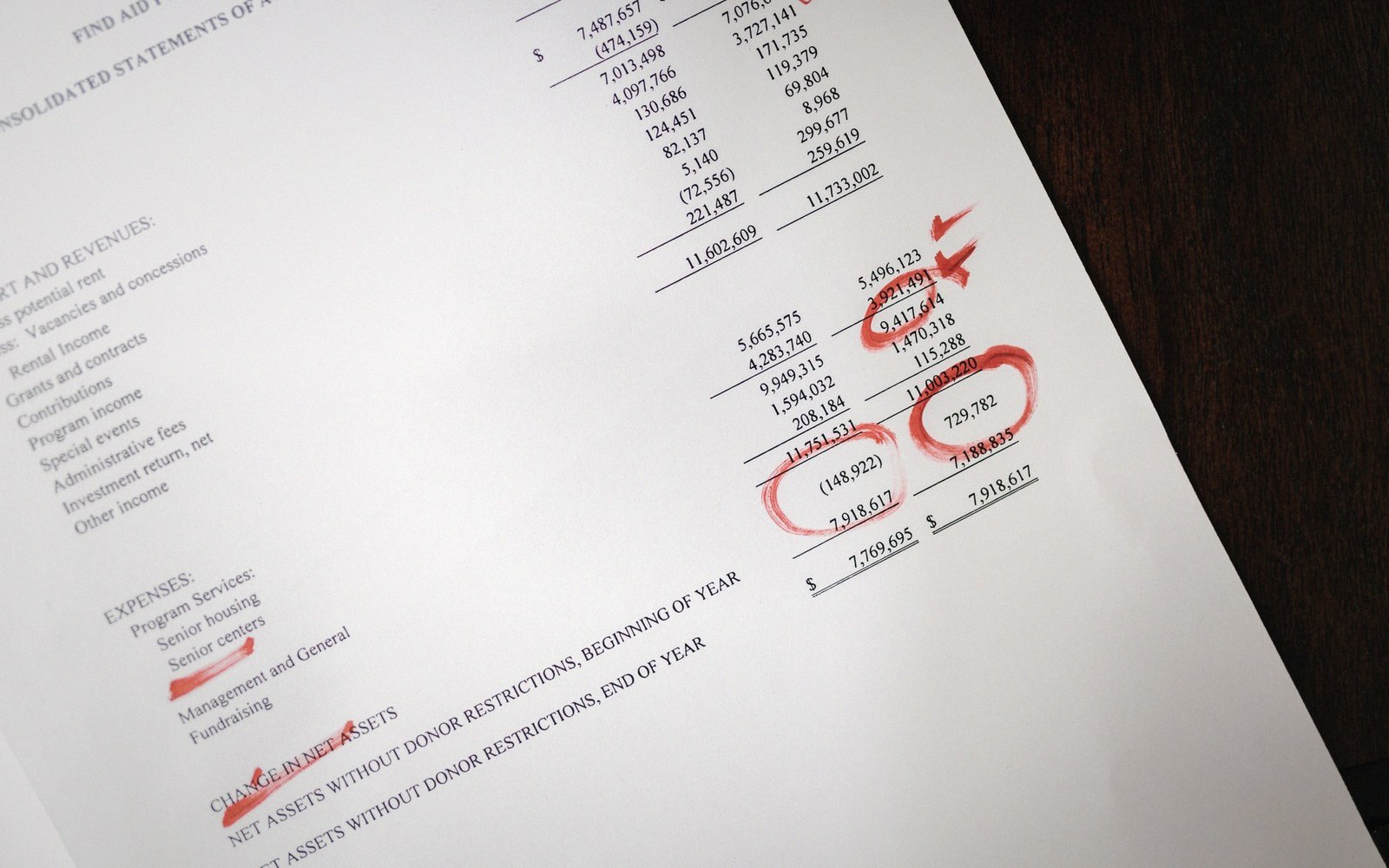
A print run is not free. The materials are modest — ink, paper, the occasional replacement roller — but they are real, and in a school press they come out of a real budget.
Paper is the largest recurring cost. A classroom newspaper printed in a run of fifty to a hundred copies consumes a ream or more per edition, and the stock has to suit the press: too thin and it tears under the platen; too heavily sized and it refuses the ink. Newsprint is cheap but soft; a slightly heavier offset sheet gives a cleaner result and survives handling better. Either way, paper is bought by the ream and budgeted by the year.
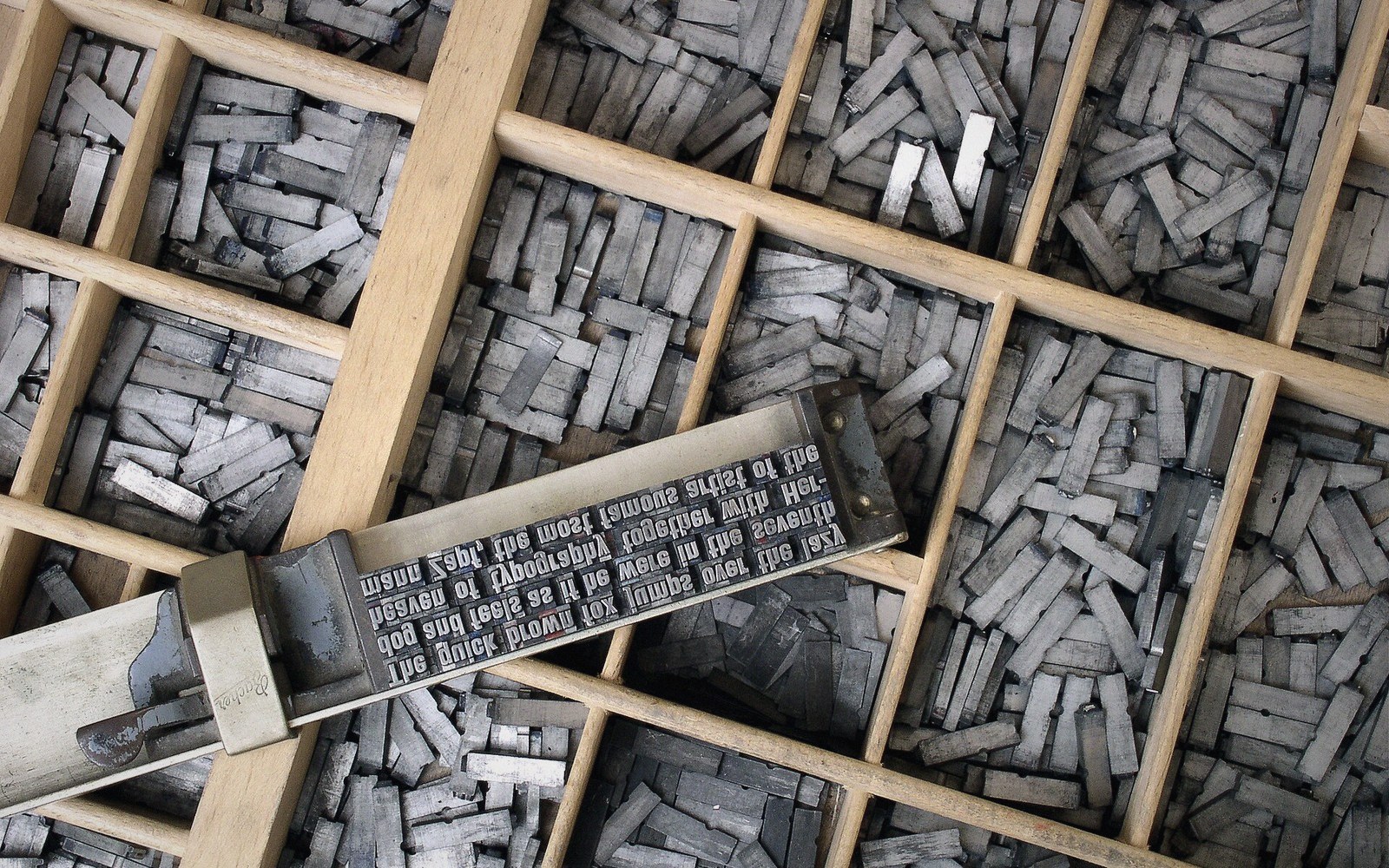
Compartment size follows letter frequency, so the case is a frequency table you can put your hand into.
Photo: Metal movable type · Wikimedia CommonsInk is slower to deplete but cannot be treated as free. Oil-based relief inks, used in small quantities per pull, last a long time — a single tin can carry a school press through dozens of editions — but they must be replaced eventually, and the cost of a second colour doubles the ink budget at a stroke. Solvents for cleaning the forme and the rollers add a small but steady line to the accounts.
Then there is time, and time is the hardest cost to pin down. Composition is slow. Setting type in a composing stick at the pace a child works, a run of two broadsheet-sized pages might require several hours of composing, correction and distribution across the class. Press time itself — inking, pulling, lifting, stacking — is shorter, but drying the sheets afterwards costs wall space and patience before folding can begin.
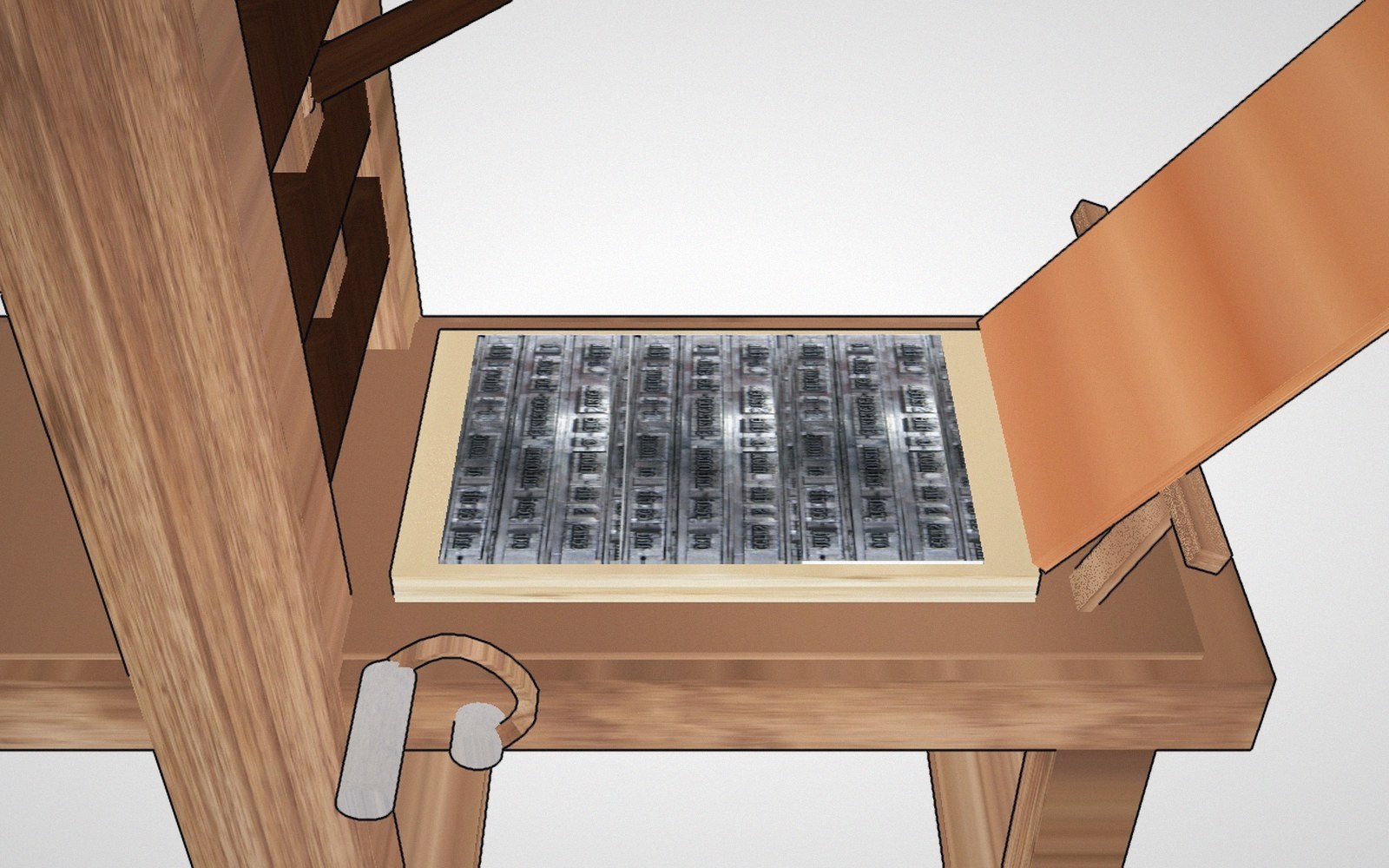
The economies are genuine. Type is reused; once a forme is distributed the metal returns to the case and costs nothing. The press itself, once purchased, lasts decades with ordinary care. Schools that maintained a press carefully found that the per-copy cost of a run, spread over a year's output, was low — sometimes lower than commercially duplicated worksheets.
What the budget cannot absorb is waste: the mis-pulled sheet, the over-inked forme, the mis-set line discovered late that forces re-composition. Careful preparation before the press is inked is not just a craft virtue; it is straightforwardly economical. The revision that happens on paper costs nothing. The one that happens in metal costs an afternoon.